
The Talarico-Colbert Interview Controversy: FCC Rules, CBS Concerns, and Claims of Political Pressure
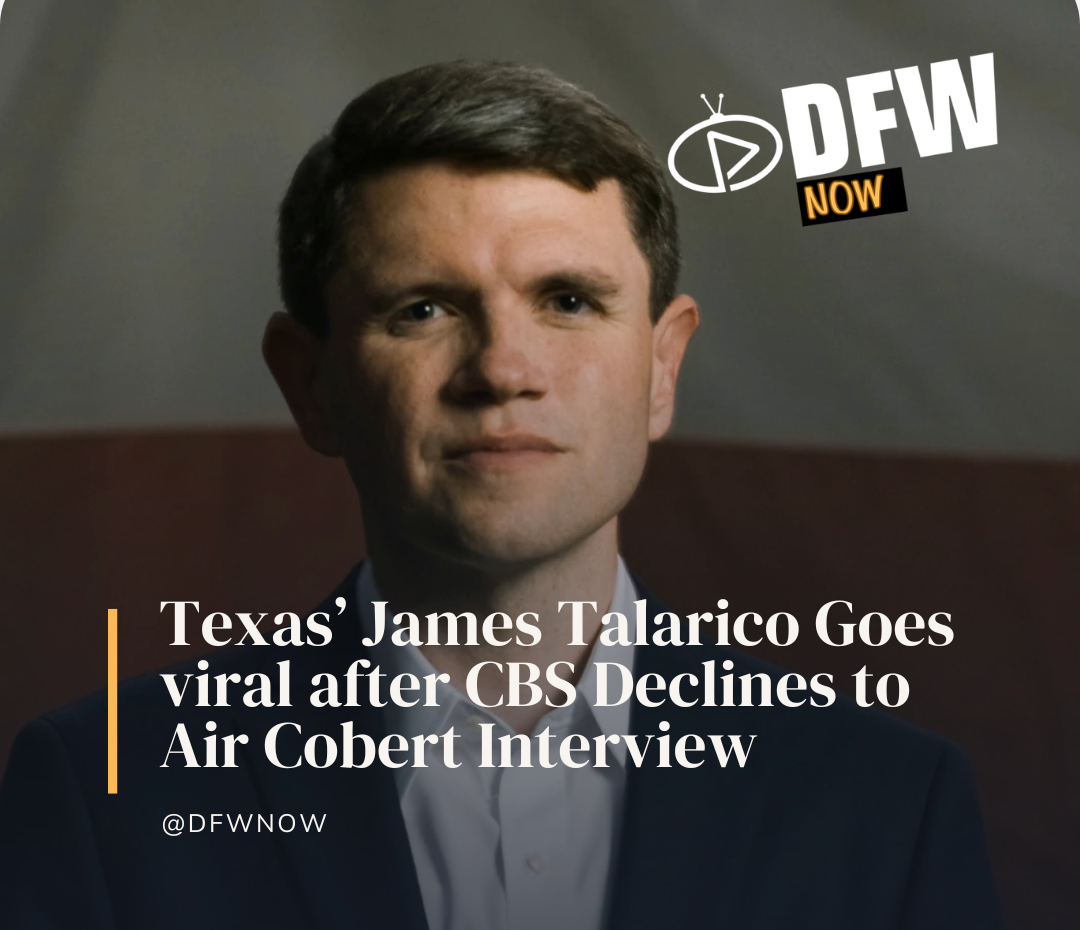
DFW NOW: The Talarico-Colbert Controversy Explained
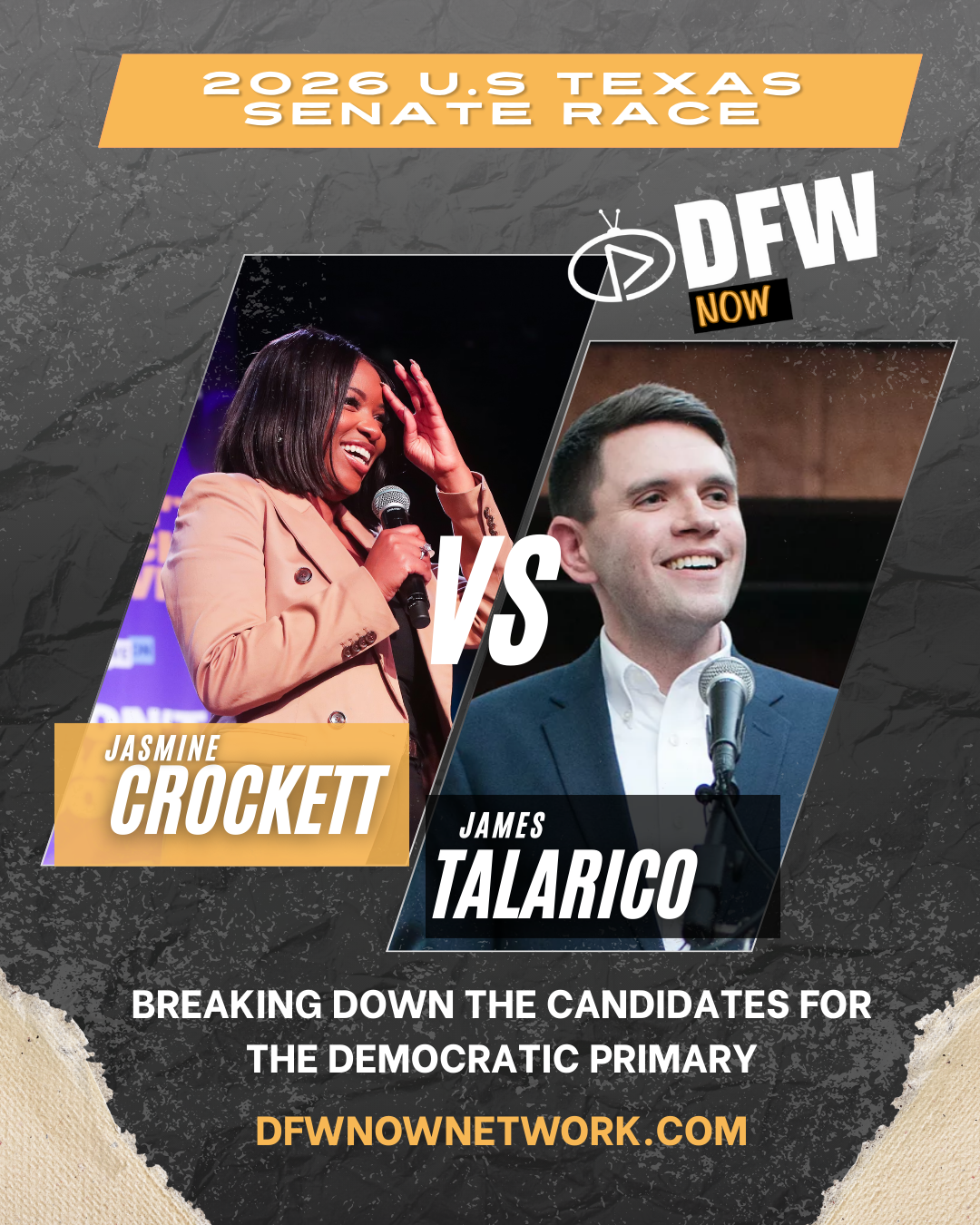
Texas State Rep. James Talarico found himself at the center of a national media storm this week after his scheduled appearance on The Late Show with Stephen Colbert never made it to CBS broadcast television. What followed sparked accusations of political pressure, concerns about federal media rules, and a debate over whether the Trump administration played a role in slowing or stopping the interview.
Here is what actually happened and why it matters.
What Was Supposed to Happen
Talarico, a rising Texas Democrat running for U.S. Senate, was scheduled to appear as a guest on Colbert’s show. But during the broadcast, Colbert told viewers the interview would not air because CBS lawyers warned the show it could violate federal election rules.
According to Colbert, the legal team told the show “in no uncertain terms” that the interview could not be broadcast. He also said the network initially advised him not to even discuss the situation on air.
Instead of airing on CBS, the full interview was posted online, where it quickly drew millions of views.
Why CBS Was Concerned
The issue centers on the Federal Communications Commission’s “equal time” rule. This rule requires broadcast stations to offer equal airtime to competing political candidates if one candidate appears.
For years, late night shows and talk programs were generally treated as news or entertainment programs that did not trigger the rule. But recent
FCC guidance under Chairman Brendan Carr suggested that daytime and late night shows may no longer automatically qualify for that exemption.
Because Talarico is running in a competitive Senate primary, airing his interview could have required CBS to offer airtime to his opponents as well.
CBS later said it did not block the segment outright. The network said it provided legal guidance and options for how to comply with the rule, including offering equal time to other candidates. The show ultimately chose to release the interview on YouTube instead of dealing with those requirements.
Did the Trump Administration Stop the Interview?
This is where the controversy heated up.
Colbert suggested the decision reflected pressure created by the Trump administration’s FCC. He accused the administration of trying to silence critics and argued that the network was acting cautiously in response to the political environment.
The FCC, however, denied any censorship. Chairman Carr said CBS could have aired the interview if it followed equal time requirements or limited where it was broadcast.
In short, the government did not directly block the interview, but the regulatory climate created enough legal risk that CBS chose to avoid airing it.
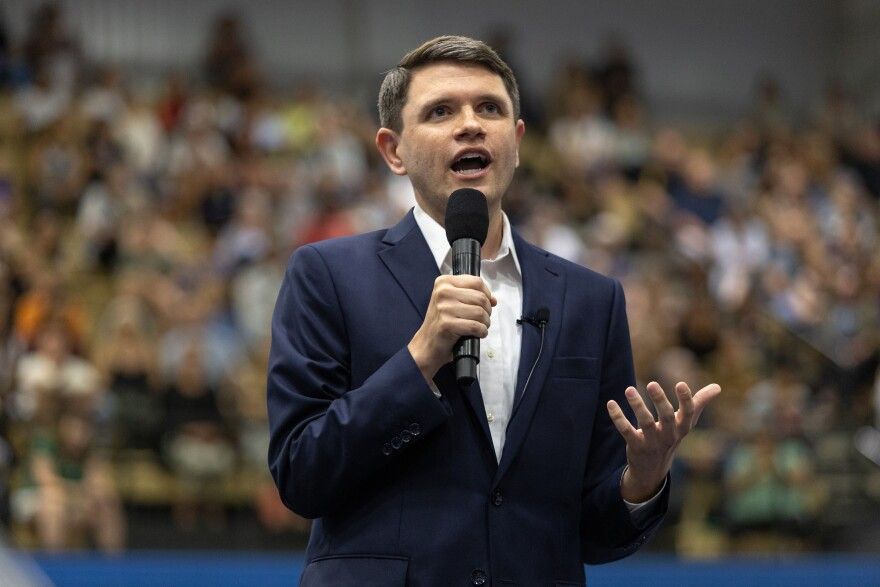
What James Talarico Said
Talarico did not stay quiet about the situation.
During the interview, he criticized what he described as political pressure on media and said the move reflected a broader effort to control speech. He framed the issue as government influence over what Americans can watch and hear.
On social media, he promoted the online version as “the interview Donald Trump didn’t want you to see,” helping drive even more attention to the controversy to avoid airing it.
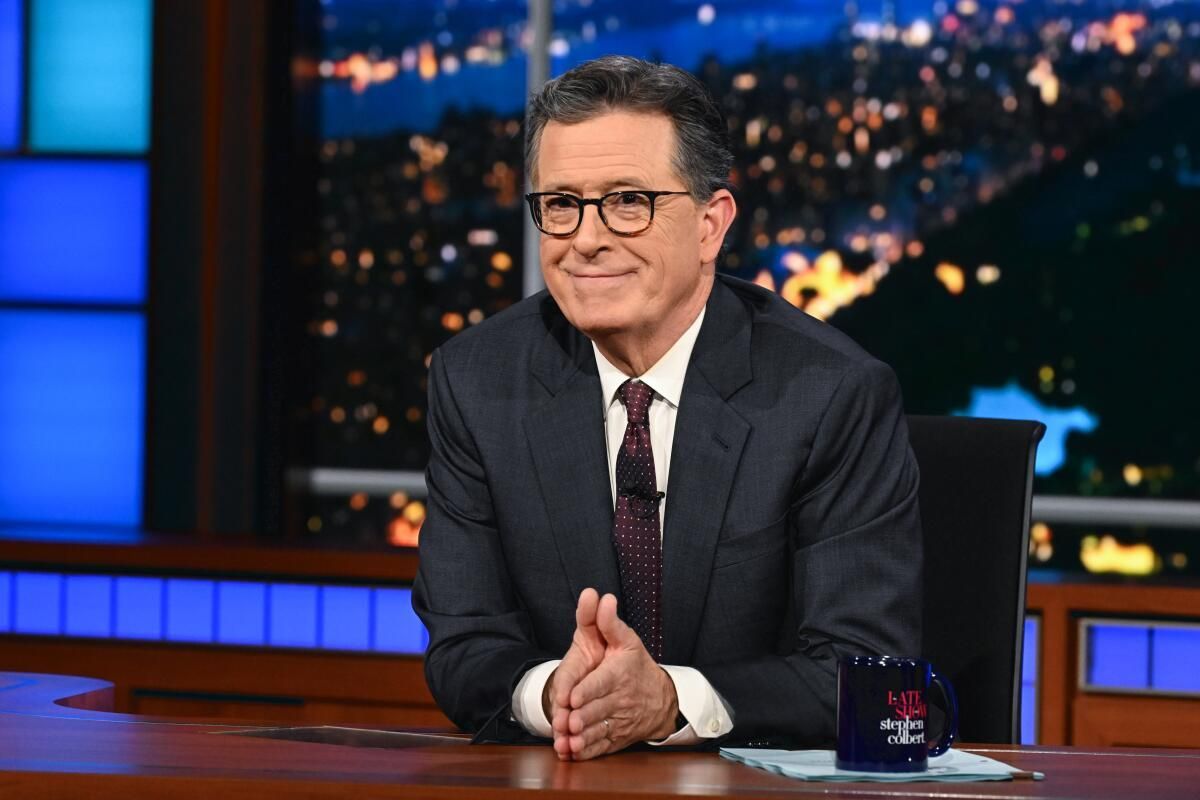
What Stephen Colbert Said
Colbert openly challenged both CBS and the broader political environment.
He told viewers the network’s lawyers warned him not to air the interview and questioned why a major media company would not push back harder. He also criticized the FCC’s evolving interpretation of the equal time rule and suggested the network was enforcing restrictions even before they were formally required.
Despite the conflict, Colbert said every word of his on-air criticism was approved by CBS lawyers.
The Bigger Picture
The situation highlights a growing tension between media companies, federal regulation, and politics. The FCC has increased scrutiny of entertainment programs that feature political candidates, and networks now face more legal risk during election seasons.
Ironically, the decision to keep the interview off television may have given it a larger audience online than it would have received on late night TV.
For Texas politics, the moment also boosted Talarico’s national profile as he continues his Senate campaign.
Bottom Line
CBS did not officially ban the interview, but legal concerns tied to new FCC guidance led the network to avoid airing it. Colbert and Talarico argue the regulatory pressure reflects political influence. The FCC says the rules simply require equal treatment for all candidates.
Either way, what started as a late night interview turned into a national conversation about media, politics, and who really controls the microphone.

DFW NOW